
Window Film Installer Choice
You’ve watched coworkers angle their laptop screens away from the window glare, seen someone tape cardboard over a conference room door for privacy, and heard facility managers complain about cooling bills every summer.
Office window film installation fixes all three problems with one material, applied in a few hours, yet most decision makers assume it does only one thing or costs more than it does.
The gap between what people think film can do and what it actually solves is why so many offices live with easily fixable discomfort for years.

Window Film Installation
You’re comparing quotes for office window film installation, and the price gap between the cheapest bid and the most expensive one is wide enough to make you wonder if they’re even quoting the same job.
The difference usually comes down to film quality, whether the installer warrants the work, and how they handle problem windows, such as curved glass or floor-to-ceiling panes that require scaffolding.
Most buyers pick based on price per square foot, then spend more later fixing failures that a slightly higher upfront cost would have prevented.
Office Window Film Benefits
Office window film installation addresses three daily workplace problems: too much heat and glare from sun-facing windows, lack of privacy in ground-floor or shared-wall conference rooms, and vulnerability to glass breakage in high-traffic or street-level spaces.
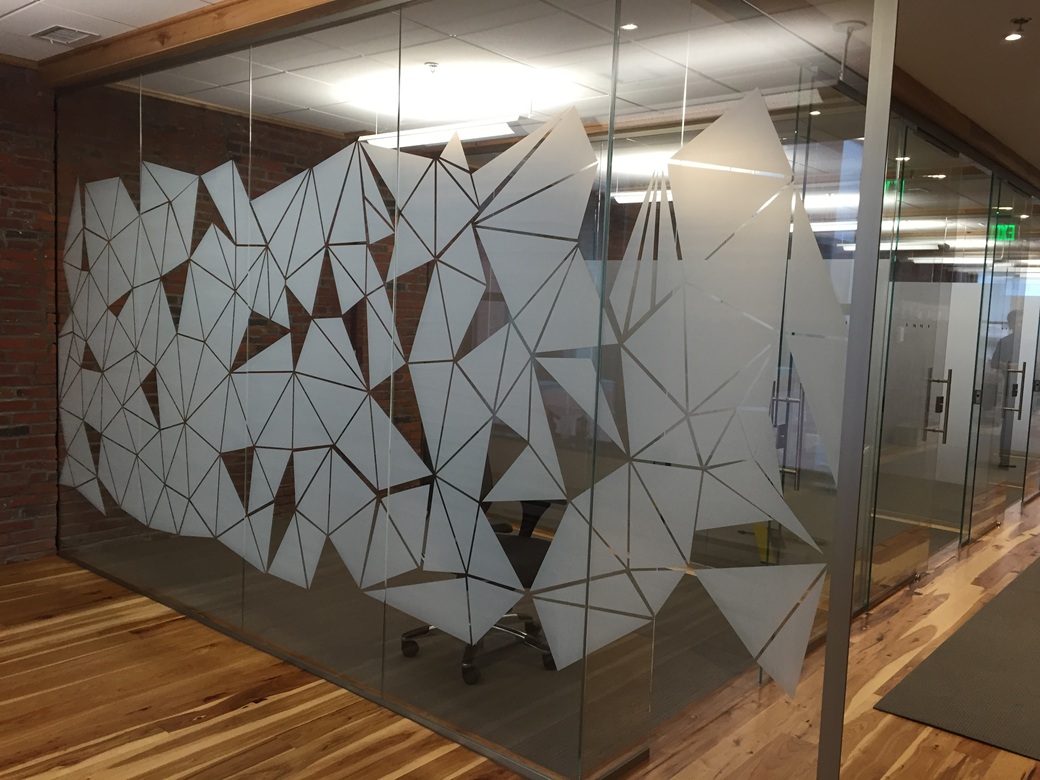
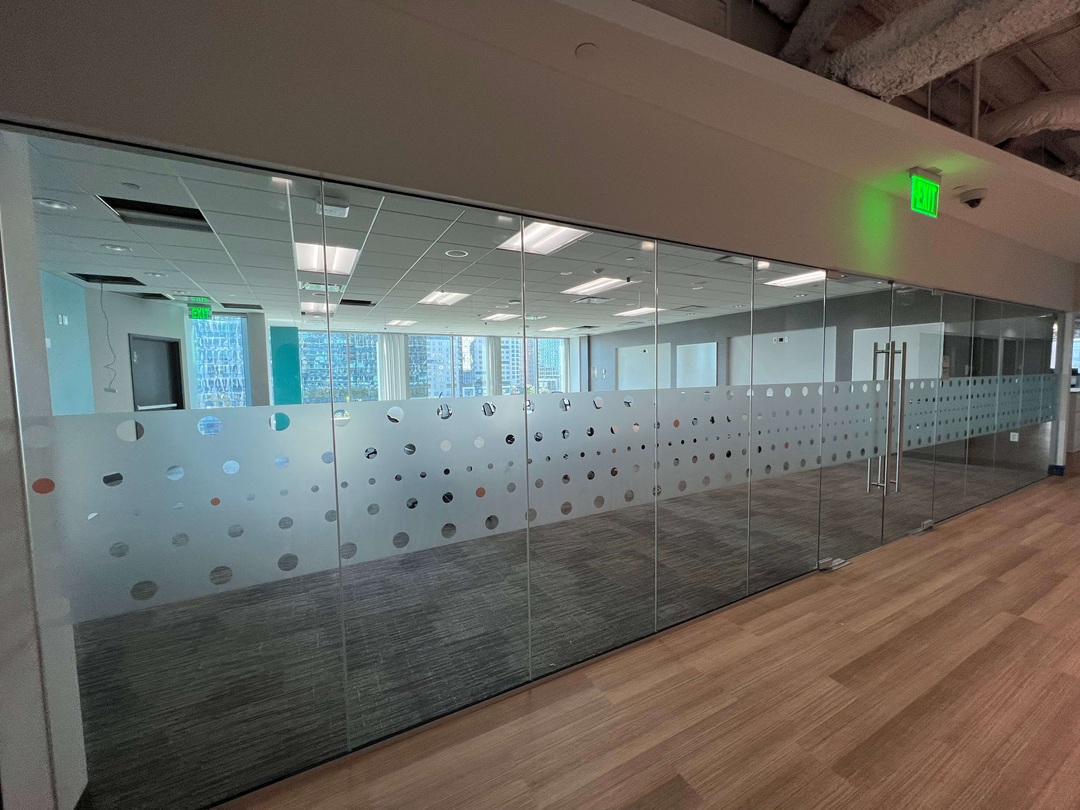
Privacy film blocks the view into meeting rooms and private offices without eliminating natural light.
Solar film cuts heat, reduces heat gain and glare from screens, and lowers cooling costs, making windows usable again.
Safety film holds shattered glass in place if a window breaks, whether from an accident, storm, or break-in attempt.
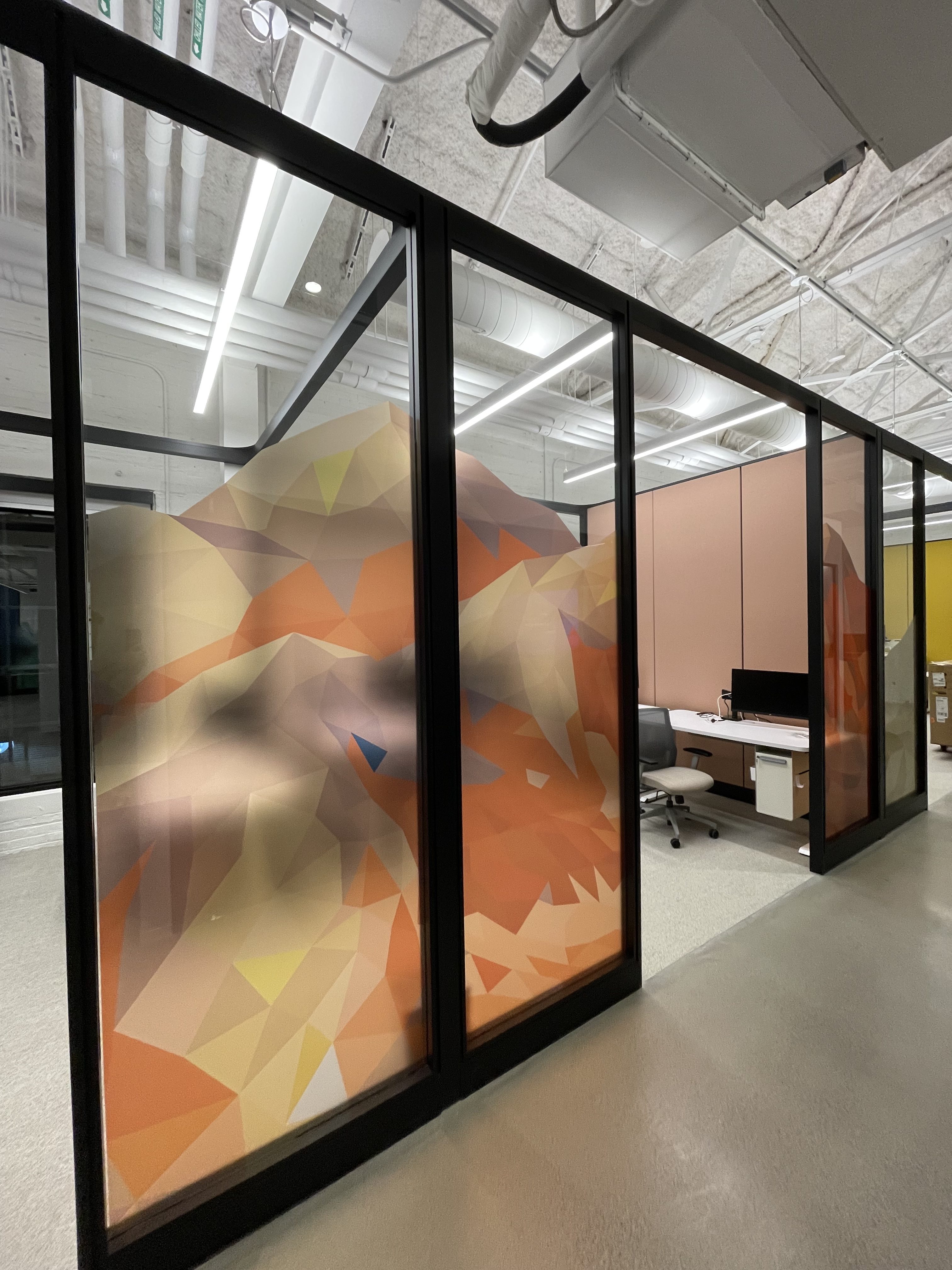
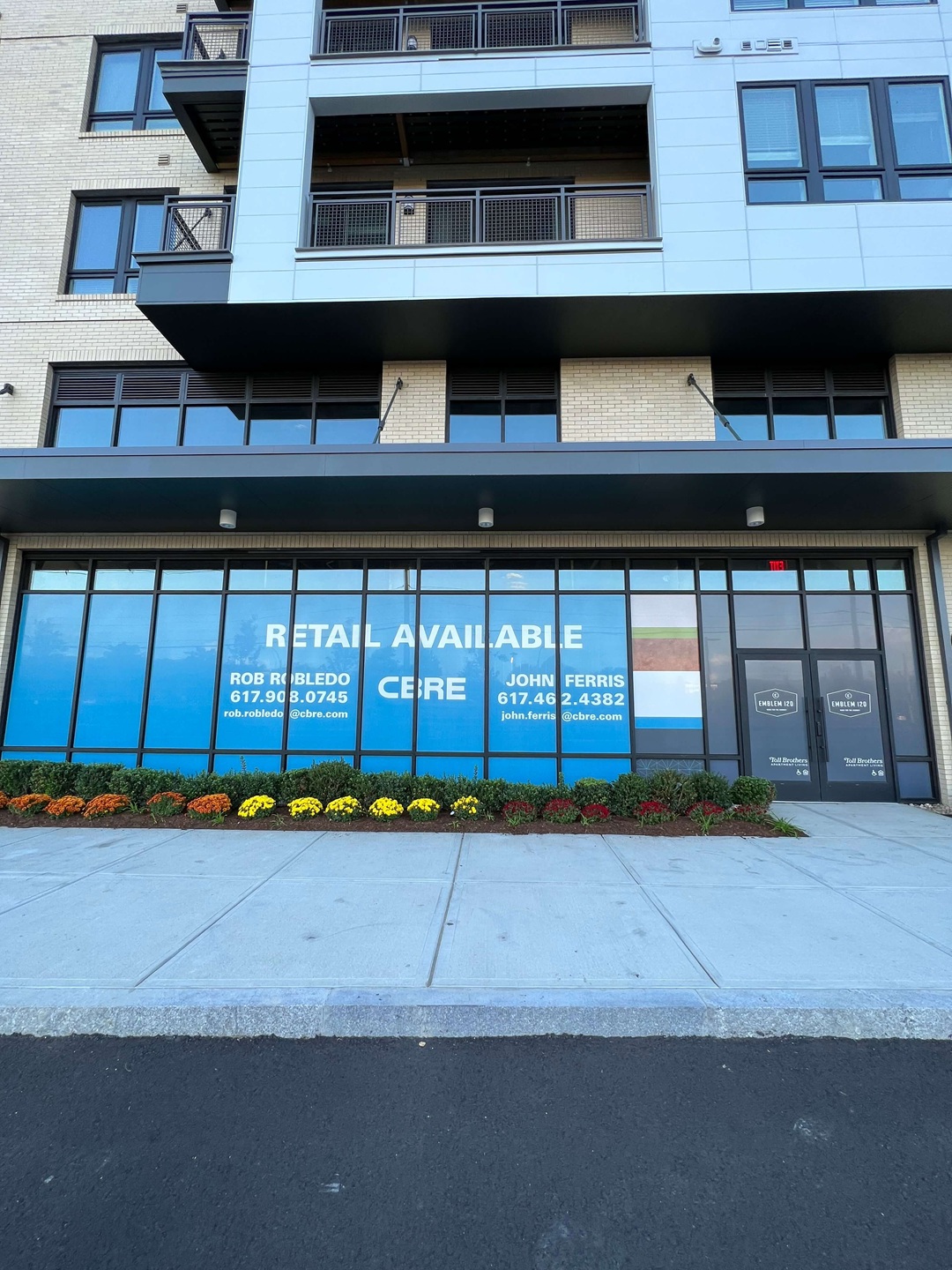
Decorative film adds branding or wayfinding to glass partitions and lobby doors.
Most offices pick film based on one main problem, then discover it solves a second one they hadn’t prioritized.
Film Options And Costs
Privacy film runs from frosted white to one-way mirror finishes.
Frosted film works day and night but offers no heat control.
Mirror film provides daytime privacy and reflects heat, but at night, with interior lights on, people outside can see in.
Solar film blocks heat and glare without changing privacy; it’s nearly invisible or lightly tinted, depending on the product.
Safety film is clear and thick, designed to hold glass together on impact.
Decorative film includes patterns, gradients, and logo cuts.
Office window film installation cost depends on film type, total square footage, and whether windows are ground-floor accessible or require scaffolding or lifts.
A small office with ten windows and standard privacy film might cost a few hundred dollars.
A full-floor solar retrofit with dozens of large windows can reach several thousand.
Office window tinting cost also shifts if you need after-hours or weekend work to avoid business interruption.
Most providers price by the square foot of film applied, not by the window count, because large floor-to-ceiling glass costs more to cover than a small pane, even if both count as one window.
Install Day Expectations
Professional installers measure your windows, cut film to size, clean the glass, apply a slip solution, position the film, squeegee out water and air, and trim edges.
The process is quiet, no hammering, drilling, or loud tools.
Furniture within a few feet of the window may need to be moved temporarily, but most office setups stay in place. Installers work room by room to limit access disruption.
A single office takes less than an hour.
A conference room with four large windows might take two hours.
An open floor plan with twenty windows could fill a half day.
After installation, the film needs a few days to cure; you may see small water bubbles or haze during that time, which disappear as moisture evaporates.
You can use the space immediately, but avoid pressing on the film or cleaning it for at least three days.
DIY Vs. Pro Warranties
Peel-and-stick film sold in rolls looks straightforward but rarely goes on without bubbles, creases, or misalignment.
Glass must be perfectly clean; one speck of dust creates a permanent bubble.
Cutting film to fit odd-shaped or large windows without waste takes practice.
Most DIY attempts end with visible seams, peeling edges, or having to reorder material after a failed first try.
Professional installation includes a warranty that covers peeling, bubbling, and film failure for several years; DIY film has no coverage, and most product-only sellers won’t replace material ruined during application.
If the film fails or the result looks poor, hiring a pro to remove old film and start over costs more than doing it right the first time.
Summary
Office window film installation solves heat, glare, privacy, and safety problems all at once, which is why most offices choose film for one reason and end up benefiting from two or three.
Professional installation costs more up front but includes warranties and results that DIY attempts rarely match, since even small mistakes with dust or alignment create permanent bubbles and peeling edges.
The film that fixes your main problem today often turns out to handle a second issue you hadn’t prioritized until the glare disappeared or the conference room became private.
Contact Wrap4Cars
If you want privacy, heat control, or safety film in your office, contact Wrap4Cars for a quote on professional office window film installation.
We’ll measure your space, recommend the right film for your specific needs, and provide an accurate price based on square footage and access requirements.
CONTACT US
Fill out the form below to get a price quote right away.
Price Ranges
Expected costsQuick Links