Before You Pick a Film
Most people shopping for commercial decorative window film in Boston start by choosing a look, frosted, patterned, or branded, then get surprised by the price, the timeline, or a building manager who says no.
The film itself is the easy part. What actually determines whether the project goes smoothly is a short list of decisions most installers won’t walk you through until you’re already committed.
Getting those decisions right up front saves you a second install and a conversation with your landlord you’d rather not have.



Introduction
You are probably staring at a row of interior glass walls or a bare storefront, trying to figure out whether film actually solves the problem or just makes it look like it does.
The options aren’t clear, pricing varies depending on who you ask, and there isn’t a clear consensus on what requires approval and what doesn’t.
Most of the confusion Boston businesses run into about commercial decorative window film comes down to a few specific variables that are easy to sort through once you see the real numbers and trade-offs laid out plainly.
Commercial Film Types
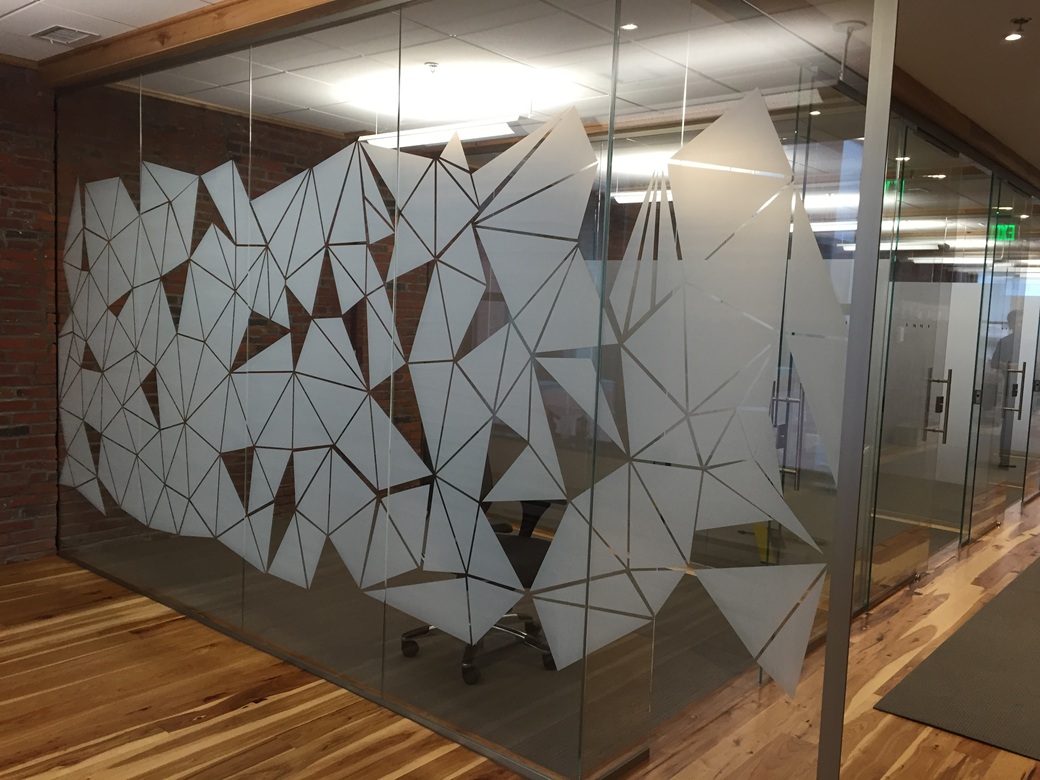
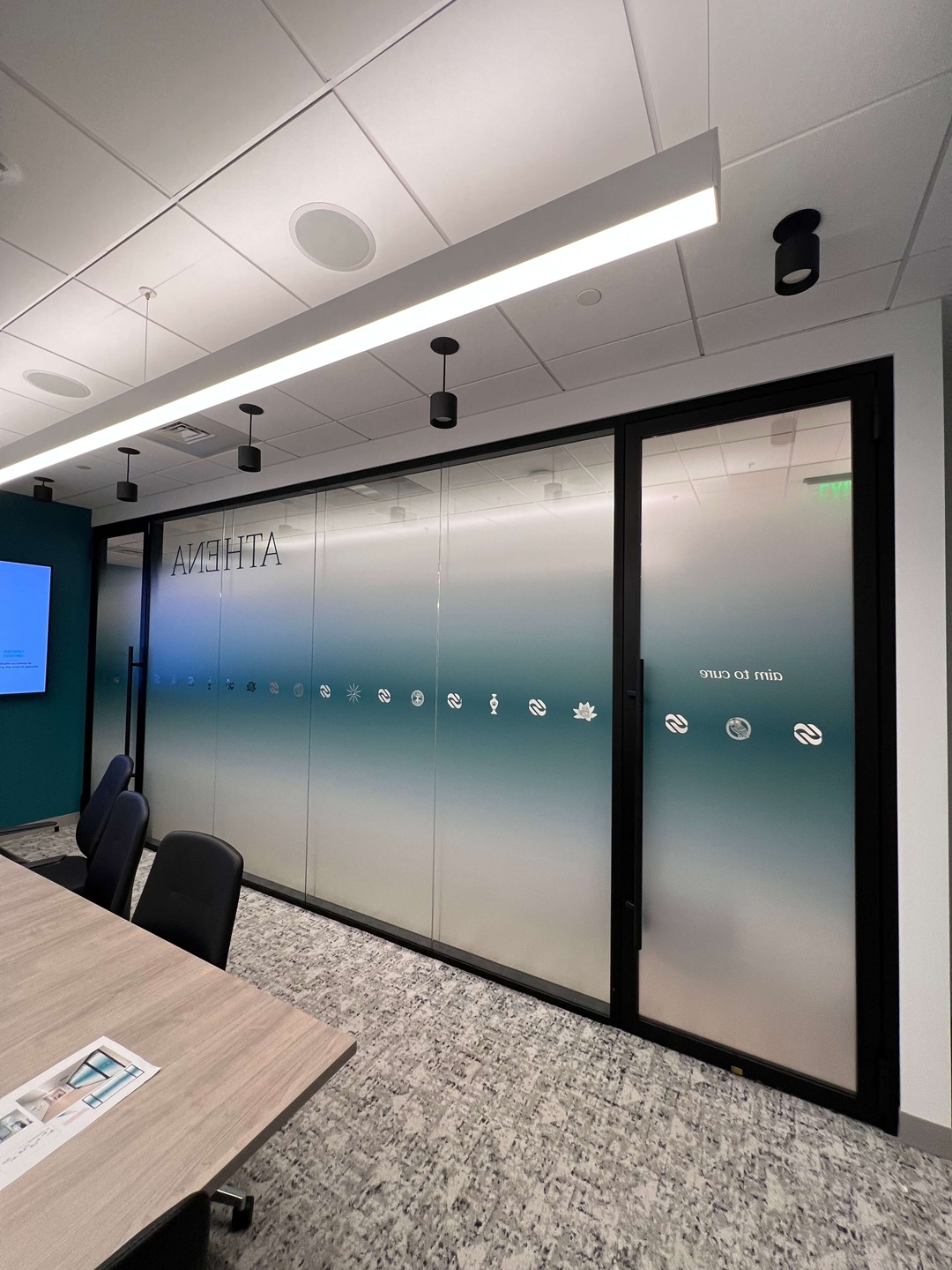
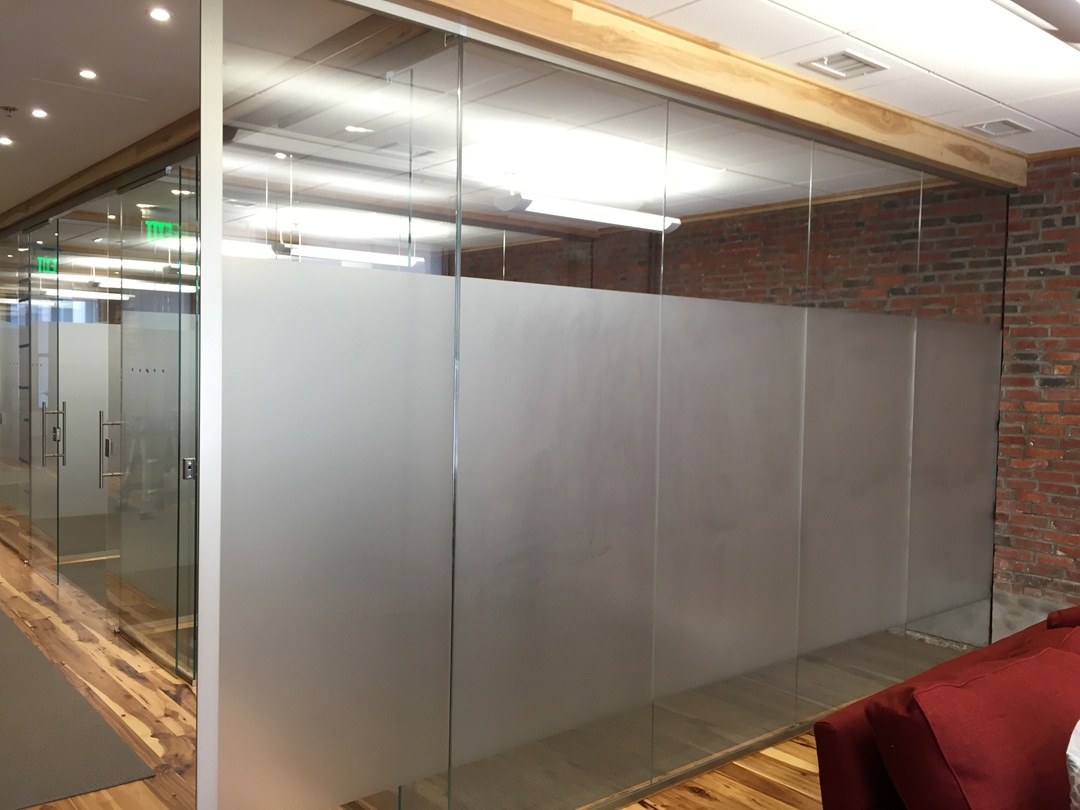
Frosted and etched-look films are the most common choice for commercial decorative window film in Boston offices and clinics.
They block sightlines while letting in most natural light, useful for conference rooms, exam rooms, or any interior glass wall where people need visual separation without feeling boxed in.
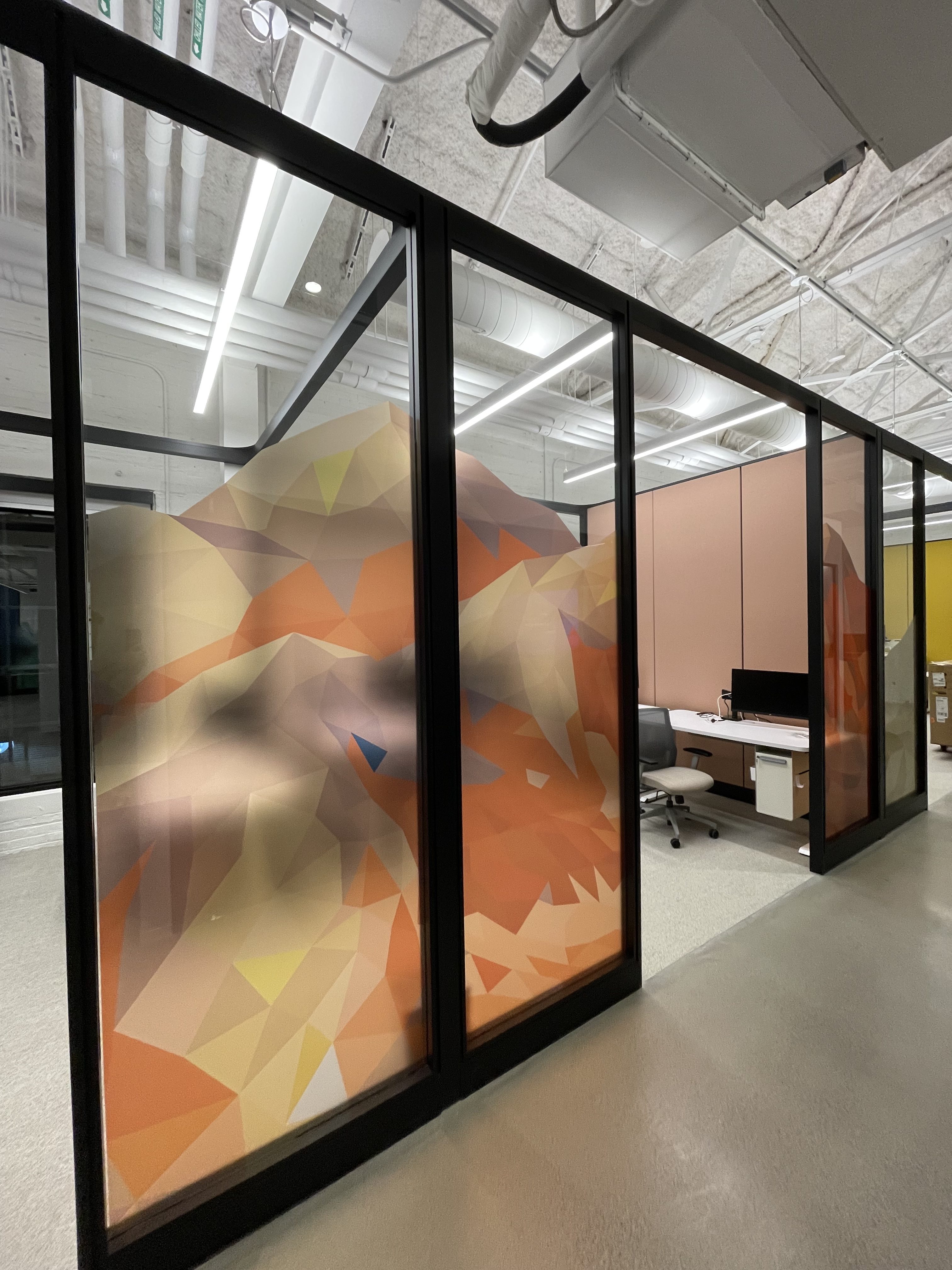
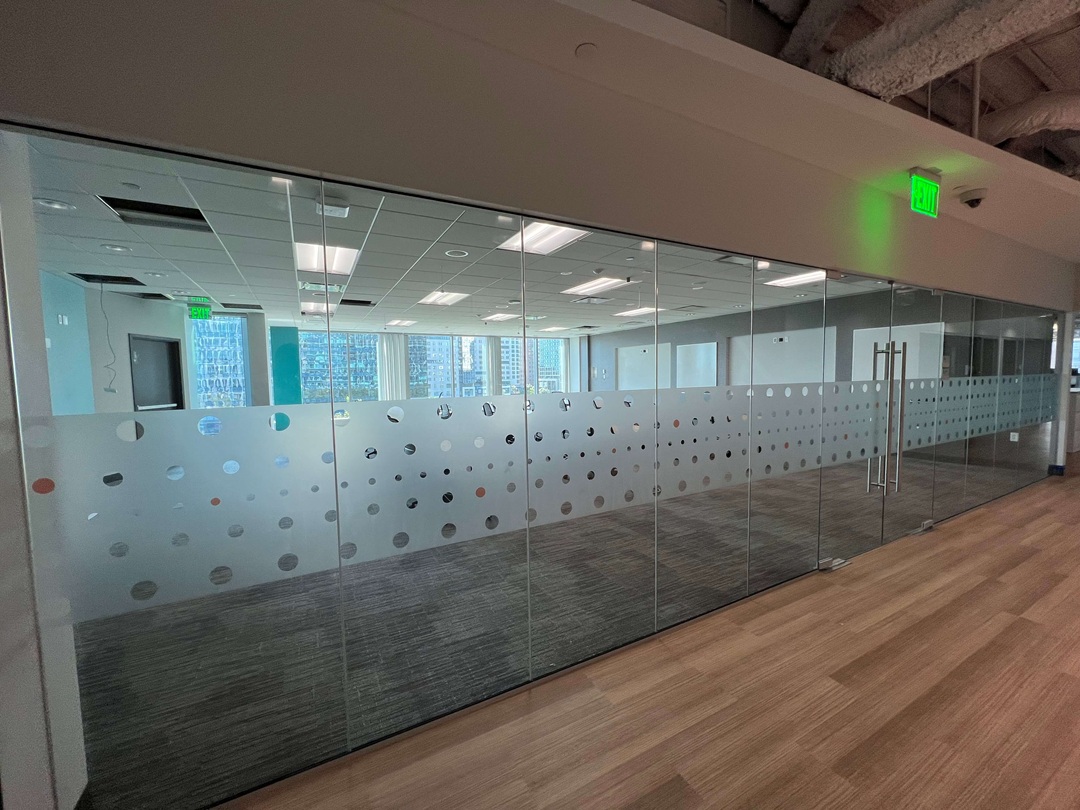
Patterned and banded films add a design element while covering only part of the glass, such as a horizontal stripe at eye level.
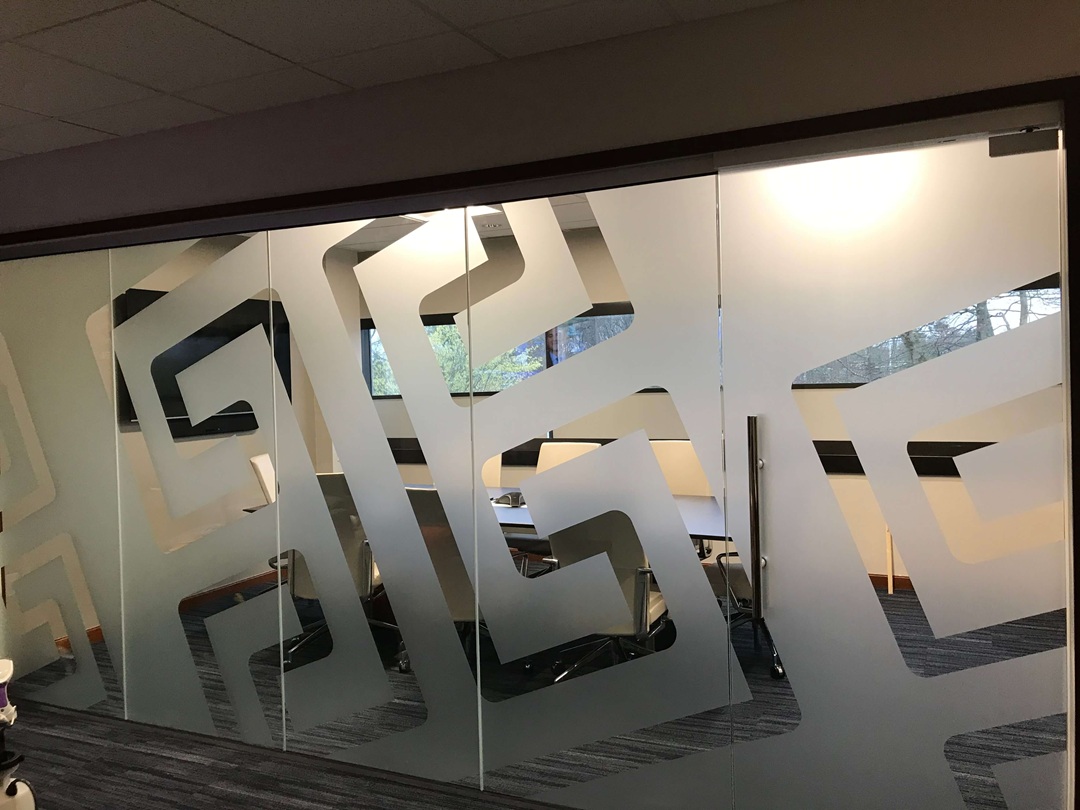
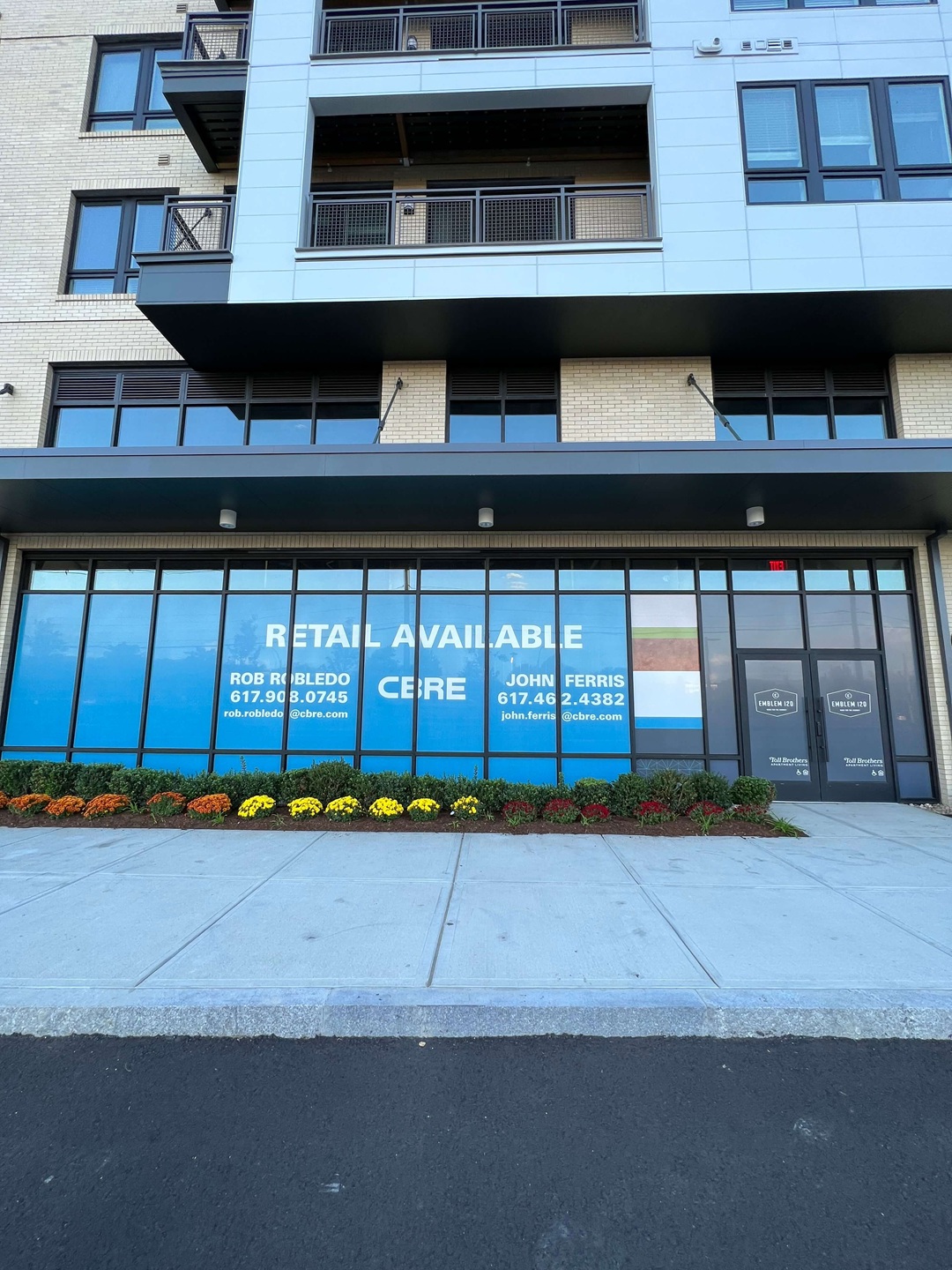
Logo and custom graphic films turn street-facing glass into a branding surface. One-way privacy styles work in specific lighting conditions, but aren’t magic; they depend on which side is brighter.
The tradeoff with every option is simple: more privacy means less transparency, and custom designs cost more than stock patterns.
Installation Timeline
A typical decorative window film installation in Boston follows a short sequence: measurements first (on-site or from photos you provide), then film selection and any design work, then scheduling and installation.
Most jobs on standard office or storefront glass wrap up in a single day.
Larger spaces or custom graphics with multiple panes may stretch to two days.
What slows things down:
Removing old film adds time, building management may need to approve access or scheduling windows, and high glass that requires a lift changes the logistics.
Compared to ordering custom blinds or shades, which can take weeks for fabrication and a separate install appointment, film generally moves faster from first call to finished glass.
Commercial Film Cost Drivers
Square footage is the biggest factor.
A small conference room with two interior glass walls costs far less than a full storefront wrap.
Film type matters next: a stock frosted film is the most affordable option, patterned or banded designs fall in the middle, and custom logo or branded graphics run the highest due to design time and specialty printing. Access adds cost, too.
Ground-floor glass is straightforward, but second-story or hard-to-reach windows may require equipment.
After-hours installation, removal of existing film, and complex multi-pane layouts with detailed cuts are common add-ons that push the number up. Storefront projects often prioritize durability and exterior visibility, while office jobs lean toward privacy and clean interior aesthetics, so the film spec and budget shift accordingly.
Permits, Rules, And Concerns
Interior decorative film rarely requires a permit in Greater Boston.
Where approvals come up: historic districts may have rules about changes to exterior-facing glass appearance, some landlords or building managers require written consent before any work on shared glass, and storefront signage ordinances can apply if your film includes logos or text visible from the street.
Check with your property manager first and review your lease for modification clauses. On the practical side, professionally installed film won’t damage glass and can be removed later without leaving residue when done correctly.
Cleaning is simple: use a soft cloth and avoid ammonia-based products. Lifespan varies by film quality and sun exposure, but most commercial-grade options hold up well for years before needing replacement.
Summary
Commercial decorative window film in Boston comes down to a few straightforward tradeoffs: more privacy costs more transparency, custom work costs more than stock, and access issues add time and money.
Most projects finish quickly, rarely require permits, and take years to complete, but the final price and timeline depend entirely on the specifics of your glass and what you want it to do.
Get In Touch
Get a quote from Wrap4Cars for your commercial decorative window film project in Boston.
Whether you need frosted film for a few conference room walls or custom-branded graphics across a full storefront, sharing your square footage and glass details is all it takes to get an accurate number.
Call or submit your project info so we can scope it and get back to you with pricing.
CONTACT US
Fill out the form below to get a price quote right away.
Price Ranges
Expected costsQuick Links